What Happens After Flock?
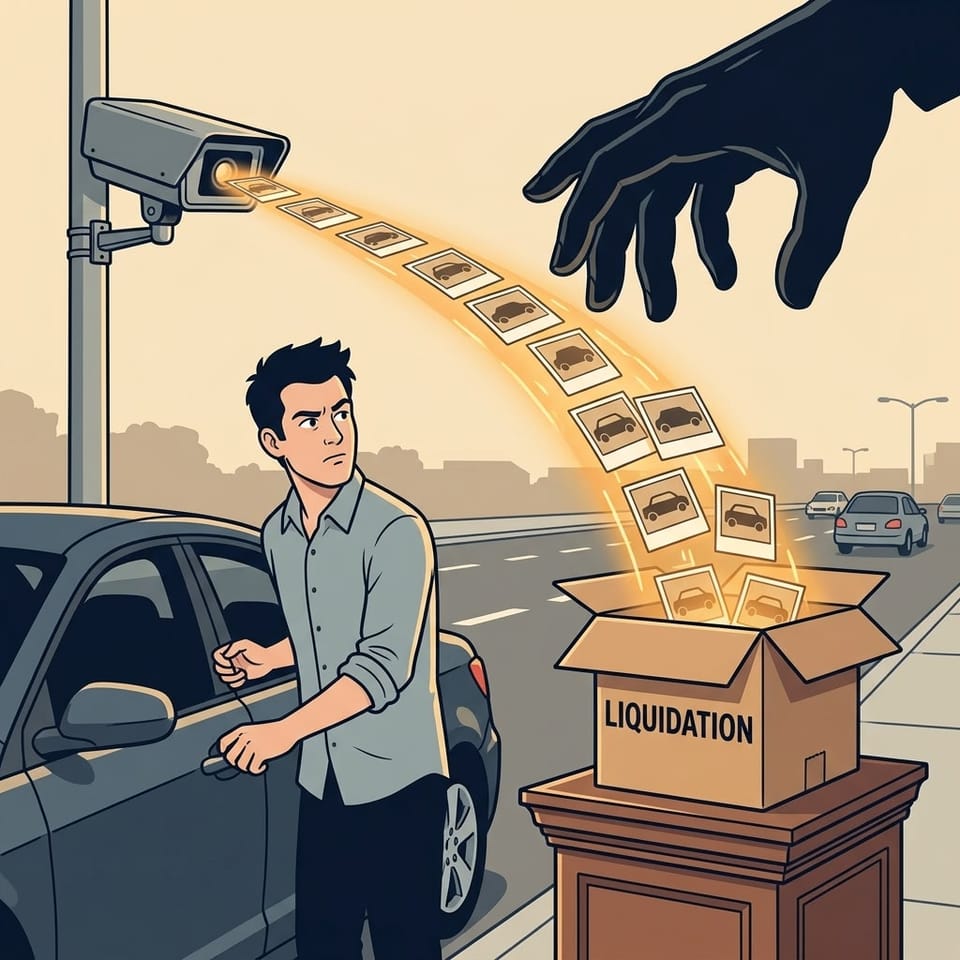
Since 2024, the surveillance industry has been doing phenomenally well. Be it the political environment or the advances of AI to make better inferences with the data captured by these cameras, or just the general appetite for more surveillance. In any case, we have more cameras than we ever have had capable of centrally monitoring Americans' movements.Flock Safety, and more broadly, the automated license plate reader (ALPR) technology that Flock Safety is so well known for isn't new. Flock Safety has been a surveillance and security company since 2017, and the ALPR technology goes back even more decades before.Most recently, as this technology and the companies pushing this technology get put in the limelight, the general appetite has soured, especially towards Flock Safety, who has become the biggest target of the public's furor towards this technology.For instance, Secure Justice, an anti-surveillance group, has counted 214 cities and towns that have dropped their Flock contracts since 2021, with 90 of them being in August 2026 alone. Even though Flock Safety claims new contracts outpace cancellations 10:1, the state of their business seems that those statements are becoming dated pretty quickly.It really is a good thing, seeing the hoped-for downfall of such an invasive species in our daily lives.BUTMy fear isn't about the "now". It's about the future. Once Flock eventually fails, what happens to the data they collected?
Everything's for Sale in Bankruptcy
Data has always been something sought after by larger businesses. With AI now, it has become incredibly easy to make inferences to the point that businesses are spending millions to get their hands on this, and other type of "human" data during bankruptcy sales.This is especially true when looking at failing companies. Bankruptcy estates are obligated to recover as much as possible for their creditors during their bankruptcy proceedings. As such, anything is for sale during these proceedings.This was seen firsthand during the bidding war for Spirit's data when they shut down. All that corporate data was bid on (and seemingly sold to) Google during the bankruptcy proceedings for $10m.For many of the former employees, this sale of data felt like a violation of privacy and the former employees are working to block it.Another case includes 23andMe, which also went through Chapter 11 bankruptcy proceedings. During these proceedings, the genetic data from customers went up for sale for an eye-watering $305m. In this case, again, while it could have been bought by data brokers or collectors, it was bought by a non-profit led by one of the co-founders of 23andMe and was going to be used for research. They also let users delete their data; a privacy nightmare was barely averted.
We are Unwilling Participants
This leads us back to Flock Safety. At whatever point they go out of business, what will end up happening to the millions and millions of ALPR records, many of which have questionable origins?While Flock claims that the records belong to their customers, I find it hard to believe they aren't keeping some of the training data, metadata, or other records to improve their product, any of which may become part of a sale. Especially since they continue to claim ignorance of cameras requested to be taken down, or make it very difficult to opt-out or cancel contracts and remove the cameras that were put up.That data could end up on the open market to be bought up by marketers, businesses, data brokers and more.But in this case, Flock is selling captured data, where the subject is an unwilling participant. They aren't selling a product to willing customers, nor have a union to help potentially block the sale of data.They just have a load of cameras with a load of data across thousands of communities, driven by a smorgasbord of legal contracts and questionable deployment methods across the United States.
Nobody's Watching the Watchers
You can't opt out.You can't easily request your data.You don't have an organization or government that will fight for you once this data gets ready to be sold.The US has no federal privacy law that covers this type of potential sale. In much of the US, there are also no ALPR laws on the books to help mitigate the sale of this kind of data. The company saw a loophole, have exploited it, and will still end up able to use the data that we did not allow, permit or even have control over, available for sale to the highest bidder.So, in my mind, right now, there is loose (and I stress LOOSE) legal control over who can access and what that access can grant. The question becomes, once that data becomes part of bankruptcy proceedings, it'll be a free-for-all, and there is nothing we can do about it, but hope the privacy landscape changes and we rise up again to demand our privacy back.


Member discussion